
Diet & Lifestyle Habits Contribute to Infertility

Inflation isn’t just an economic term—it’s also a biological process that can quietly derail your dreams of starting a family. Inflammation is your body’s natural response to injury or infection, like a fire alarm going off to protect you. But when it becomes chronic or excessive—often due to poor diet, stress, or lifestyle habits—it sticks around too long, causing more harm than good. For couples trying to conceive, this “silent fire” can disrupt everything from hormone balance to egg and sperm quality, making the road to parenthood bumpier than it needs to be.

Research shows that chronic inflammation negatively affects key fertility processes in women, such as oocyte (egg) quality, follicle development, and hormone production. It can also impair the uterus, cervix, and placenta, leading to reduced chances of successful implantation and pregnancy. In conditions like polycystic ovary syndrome (PCOS), inflammation exacerbates insulin resistance, which throws off ovulation and hinders conception.

Men aren’t spared either: inflammation can damage sperm parameters, reduce motility, and lower overall reproductive potential. Over time, this “inflammaging” accelerates ovarian decline, poor egg quality, and even increases the risk of miscarriage or infertility treatments failing. The good news? Lifestyle tweaks, especially around what you eat and avoid, can dial down inflammation and boost your fertility odds.
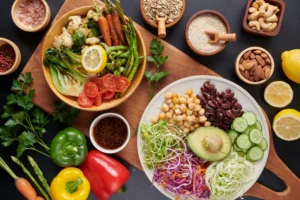
fertility diet

Fueling Fertility: Anti-Inflammatory vs. Pro-Inflammatory Foods

Your plate is a powerful tool in the fight against inflammation. Anti-inflammatory foods are packed with antioxidants, healthy fats, and nutrients that calm the body’s immune response, while pro-inflammatory ones rev it up, potentially worsening fertility issues. Here’s a breakdown of some common examples to guide your grocery list:

CategoryAnti-Inflammatory Foods (Eat More)Pro-Inflammatory Foods (Limit or Avoid)
Fruits & VegetablesBerries (strawberries, blueberries, cherries), tomatoes, broccoli, avocados,
peppers, green leafy veggies (spinach, kale, collards), oranges, grapes
Fried vegetables (like French fries), processed tomato products with added sugar
ProteinsFatty fish (salmon, mackerel, sardines), nuts (almonds, walnuts), seedsRed meat, processed meats (bacon, sausages), fried meats
Grains & CarbsWhole grains (oats, whole wheat, barley)Refined carbs (white bread, pastries, white rice), sugary cereals
Fats & OilsOlive oil, avocadosTrans fats (margarine, shortening), vegetable oils (corn, soy, sunflower in processed foods)
Beverages & SpicesGreen tea, turmeric, ginger, dark chocolate (in moderation)Sugary sodas, excessive alcohol (see below)
OtherMushrooms, garlic, onionsHighly processed snacks (chips, cookies), fast food

Incorporating anti-inflammatory foods like berries and fatty fish can lower markers of inflammation and support hormone balance, potentially improving ovulation and sperm health. On the flip side, a diet heavy in pro-inflammatory items like fried foods, sodas, and refined carbs can spike inflammation, contributing to insulin resistance and fertility challenges. Aim for a rainbow of colors on your plate—deep oranges, reds, and greens are especially potent at fighting inflammation.
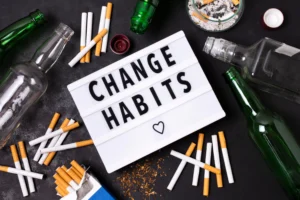
lifestyle changes to improve fertility

The Vice Factor: Cigarettes, Cigars, Marijuana, and Alcohol

Beyond food, certain habits can fan the flames of inflammation and directly hit fertility. Let’s break it down:

  • Cigarettes and Cigars: Smoking tobacco is a double whammy—it ramps up inflammation in reproductive organs and slashes fertility rates. Cigarette smoke upregulates inflammatory genes in the female reproductive system, disrupting hormone production and leading to lower egg reserves and higher risks of miscarriage or IVF failure. For men, it damages sperm count, motility, and DNA, increasing pregnancy complications.
  • Even secondhand smoke can impair conception. Quitting is one of the best steps you can take for your reproductive health.
  • Marijuana: While cannabis has some anti-inflammatory properties (thanks to compounds like CBD), its overall impact on fertility is largely negative. THC, the psychoactive component, can accelerate egg maturation but increase chromosomal errors, reducing embryo quality and euploidy rates. It disrupts the endocannabinoid system, altering menstrual cycles, hormones, and ovulation in women, while lowering sperm concentration and motility in men. Regular use (even a few times a week) may modestly increase infertility risks, so it’s wise to pause if you’re trying to conceive.
  • Alcohol: Booze is a known inflammation booster, promoting oxidative stress and organ damage that spills over into reproductive health. Even moderate drinking (1-2 drinks per day) can disrupt hormone levels, ovulation, and menstrual cycles, making it harder to get pregnant. Higher intake multiplies infertility risks and affects sperm quality in men. Studies link weekly alcohol consumption during fertility treatments to lower pregnancy success. If you’re TTC (trying to conceive), cutting back or abstaining could give your body the edge it needs.

Wrapping It Up: Small Changes, Big Impact

Excess inflammation doesn’t have to be a roadblock on your fertility journey. By loading up on anti-inflammatory foods, ditching the pro-inflammatory culprits, and kicking habits like smoking, marijuana use, or heavy drinking, you can cool the flames and create a more welcoming environment for conception. Always chat with a healthcare provider for personalized advice, especially if you’re dealing with underlying conditions. Remember, fertility is multifaceted, but taming inflammation is a smart, accessible start.

Let The Berkley Center for Reproductive Wellness give you that little ‘extra’ you need to have a baby. Better egg quality? We can help. Better sperm quality? We can help. Better lining quality? We can help. Miscarriage prevention? We can help.
www.berkleycenter.com

References

  1. The effect of chronic inflammation on female fertility – PMC
  2. Does inflammation contribute to infertility? – Harvard Health
  3. Infertility and systemic inflammation: how to tackle them – GEK Lab
  4. Fertility Benefits of an Anti-Inflammatory Diet and Lifestyle
  5. The Impact of Inflammation on Fertility and Pregnancy Outcomes
  6. The Link between Inflammation and Fertility
  7. Exploring the interplay between inflammation and male fertility
  8. Want to reduce chronic inflammation? Start with your grocery list
  9. Foods that fight inflammation – Harvard Health
  10. A List of Some of the Most Anti-Inflammatory Foods You Can Eat
  11. Foods that fight inflammation – Harvard Health [Note: Same as above, used for pro-inflammatory]
  12. What foods cause or reduce inflammation? – UChicago Medicine
  13. Effects of cigarette smoking on reproduction – Oxford Academic
  14. How Smoking Affects Reproductive Health – FDA
  15. Smoking and Male Infertility: An Evidence-Based Review – PMC – NIH
  16. Cigarette smoke is associated with up-regulation of inducible NOS…
  17. Cannabis impacts female fertility as evidenced by an in vitro… – Nature
  18. Impact of cannabinoids on pregnancy, reproductive health and…
  19. Marijuana and fertility: Facts you need to know
  20. Can cannabis use disrupt women’s fertility? New study finds strong…
  21. The marijuana, cannabinoids, and female reproductive system
  22. Chronic marijuana use alters female reproductive system, may…
  23. Cannabis use & female infertility: A cross sectional analysis…
  24. Alcohol’s Effects on Female Reproductive Function – PMC
  25. How alcohol affects fertility | Your Fertility
  26. The effect of alcohol on sex hormone levels in fertile aged women…
  27. Alcohol and Fertility: Drinking While Trying to Conceive
  28. Effects of alcohol consumption on female fertility during an 18-year…
  29. Alcohol may lower pregnancy odds in women undergoing fertility…
  30. Understanding the Role of Alcohol in Metabolic Dysfunction and…

Author

  • mike berkley

    Mike Berkley, LAc, FABORM, is a licensed and board-certified acupuncturist and a board-certified herbalist. He is a fertility specialist at The Berkley Center for Reproductive Wellness in the Midtown East neighborhood of Manhattan, New York.

    View all posts